ad

A bathroom renovation can significantly enhance the comfort and value of your home. Whether it’s modernizing the fixtures or expanding the space, a well-executed renovation requires careful planning and attention to detail. This guide will walk you through the essential steps of a bathroom remodel, from initial planning to choosing materials, ensuring that you create a functional and appealing space.
1. Define Your Goals
Before you begin tearing out tile or shopping for new faucets, it’s important to clearly define what you hope to achieve with your bathroom renovation. Are you looking to increase the room’s functionality, enhance its energy efficiency, or simply update the aesthetic? Perhaps you’re aiming to add value to your home in anticipation of a future sale. Understanding your primary objectives will guide all subsequent decisions, from budgeting to design choices, and help ensure that the final product aligns with your vision.
2. Set a Budget
Setting a realistic budget is crucial for a successful renovation. Begin by researching the average cost of bathroom remodels in your area and then outline a detailed budget that accounts for all anticipated expenses. This includes costs for materials, labor, and a contingency fund for unexpected issues. Incorporating the services of the best bathroom remodelers within your budget can significantly influence the project’s success, ensuring quality craftsmanship and adherence to timelines. Remember, the right professionals can help you make cost-effective choices and avoid expensive mistakes.
3. Choose a Design
Selecting a design for your bathroom remodel involves more than just picking out tile and paint colors. It requires a cohesive vision that complements the rest of your home and reflects your personal style. Do you prefer a modern and minimalistic look, or are you more drawn to classic and elegant designs? Consider current trends but also think about timeless appeal, especially if you plan to sell your home in the future. Collect images and samples that inspire you, and use them to create a design board to help visualize the end result.
4. Plan the Layout
The layout of your bathroom is essential to its functionality. Consider the placement of the bathtub, shower, sink, and toilet. Does the current layout work efficiently, or would rearranging some elements improve the flow of the space? Keep in mind that moving plumbing can significantly increase the cost of your remodel. If budget constraints are an issue, try to work within the existing piping configuration. Utilize design software or consult with a professional designer to visualize layout options and find the most practical and aesthetically pleasing arrangement.
5. Select Materials
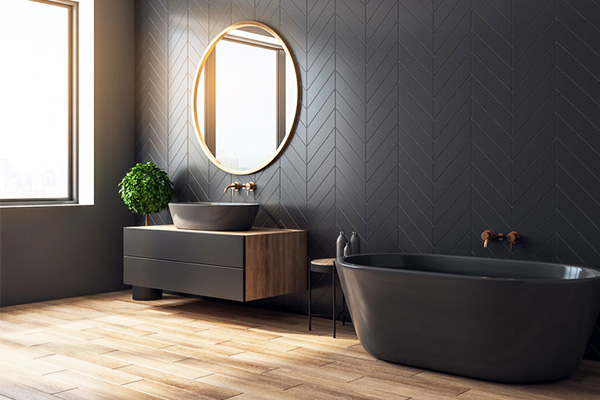
The materials you choose for your bathroom not only contribute to the overall look but also affect longevity and maintenance. For flooring, porcelain or ceramic tiles are popular due to their durability and water resistance. When selecting countertops, consider materials like quartz or granite for their beauty and resilience. For the walls, water-resistant paint or tiles can provide protection and style. Be sure to select materials that not only fit your design aesthetic but also stand up to the humid environment of a bathroom. Comparing prices and performance reviews will help you find the best options within your budget.
6. Hire Professionals
Hiring skilled professionals is crucial for complex projects like plumbing and electrical work in a bathroom remodel. Look for contractors with good reputations and verifiable references. It’s important to ensure that they are licensed and insured. Interview multiple contractors to discuss your vision and budget, and ask detailed questions about their approach to similar projects. Hiring the right team can make the difference between a project that’s completed efficiently and one that faces costly delays and issues.
7. Obtain Permits
Securing the necessary permits is a step that cannot be skipped in most bathroom renovations. Permits ensure that the remodeling work meets local building codes and safety regulations. The process can vary widely depending on your location, so check with your local building department to find out which permits you will need. Your contractor can often handle this for you, but it’s important to confirm that all paperwork is filed and approved before work begins to avoid legal issues and potential fines.
8. Demolition
The demolition phase needs to be handled with care to avoid damaging elements that will be retained or affecting other parts of the home. This stage can be messy and disruptive, so prepare your home and family for the impact. If you are living in the home during the renovation, make arrangements to use another bathroom during this time. It’s wise to have professionals handle the demolition, especially if there is a risk of encountering plumbing or electrical systems.
9. Installation
Once the space is cleared, the installation of new fixtures, cabinets, and plumbing can begin. This phase should be carefully managed to ensure that everything is installed in the correct order and up to code. Plumbing and electrical installations should be done by licensed professionals, while cabinetry and fixture installations can sometimes be done by skilled homeowners or supervised handymen. Regular check-ins during this phase will help ensure that the project stays on track and any issues are addressed promptly.
10. Finishing Touches
The final phase of the renovation involves painting, installing light fixtures, and decorating. Choose paint that is mold and mildew resistant for longevity in a bathroom setting. Once painting is completed, fixtures like towel bars, mirrors, and light fixtures can be added. These elements should complement the overall design and add functionality to the space. Final inspections by the contracted professionals should ensure that everything is safe and ready for use.
Conclusion
A bathroom remodel can significantly enhance the comfort and value of your home when done correctly. Following this step-by-step guide ensures that each phase of the process is handled with care, from planning and design to demolition and final touches. By investing in quality materials, skilled professionals, and thoughtful design, your renovated bathroom will serve your family’s needs and improve your home’s appeal for years to come.