I have always been a planner – I like to have a list and an idea of what I want to do or achieve. Whilst I am not prescriptive in the work the children follow, when we are approaching new subjects I find that it helps me to make a plan of sorts. It helps me to create a sense of order, especially with the bigger subjects, of the things I think are important to cover. My plans are always very loose – they’re not prescriptive in any way and there’s plenty of scope for the children to move the project into areas of interest they develop as we go along. I thought it might be useful for others for me to share how I plan.
One of the real bug bears I have with home ed is how, on social media, there seems to be a real and growing body of people who take pride in doing no planning – or so they claim. I’ve not come across that many home educators in ‘real life’ who do no planning. Even if that planning is just to have things on hand to prompt their children. I do worry that without planning and being familiar with the potential of some subjects then important things could be overlooked, or great opportunities could be missed. I’m unashamedly a planner and I think it serves then children and I well. My approach might not be for everyone, but for a long time I felt like I was wrong for planning in the way that I do – but I know it works for the children and I and I hope that by sharing this, it helps others in their Home Ed journeys.

1 – Identify the subject
The first step is to identify the subject you’re going to be studying. Often this comes from the children themselves, other times it comes from me if I feel we are having a bit of a lull. I use the Core Knowledge books to guide me on this. My most recent planning has been on Castles and Kings and Queens. These were both suggested by D and E and, happily for me, have some overlap so I can have them both concentrating on their own subjects whilst also sneaking in a bit of joint learning.
2 – Gather books and other resources
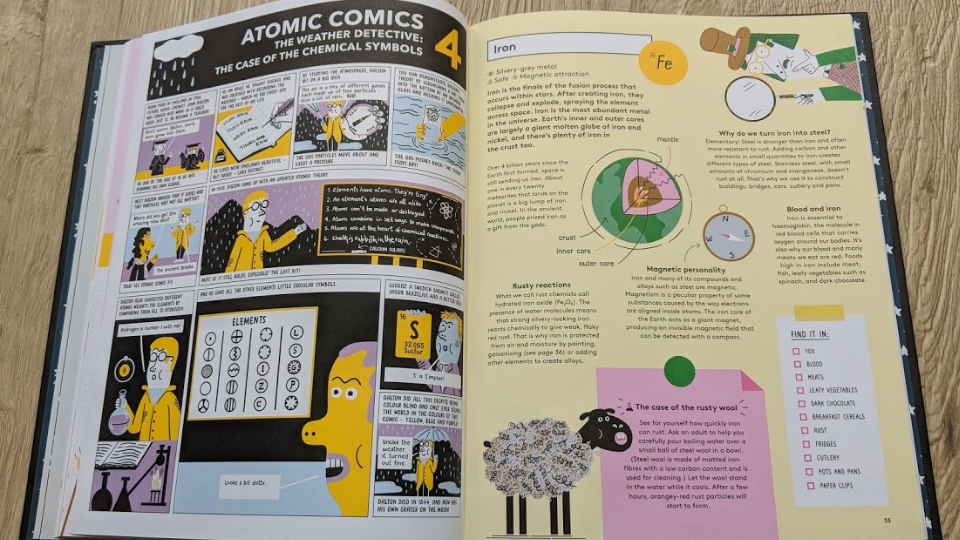
This is really key for me. Once we have chosen a subject I scoot around the house pulling together all the books that we have that cover the subject(s) and any other resources. So, for example when we did our continents project I made sure the globe was accessible as well as the world map. I like to have all the books to hand and have a leaf through to familiarise myself with which books contain what info. I’ll also look for any obvious gaps – particularly if we needs more hands on type things or if it’s an area I am lacking knowledge in.
I spend a bit of time checking Amazon for relevant books that we might want to buy and of course check at the library for any relevant books too.
3 – Check online sites
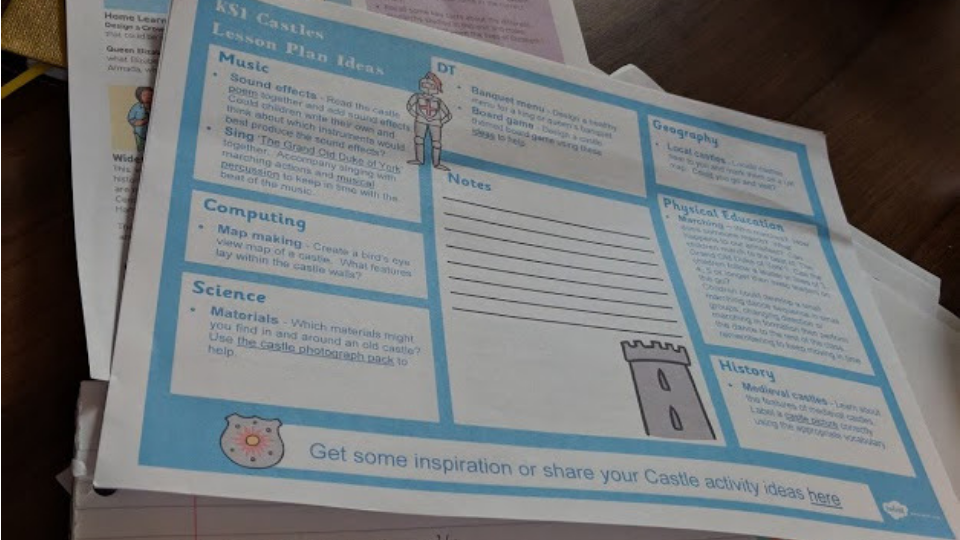
I use Twinkl and Activity Village a lot so I check on their for any worksheets that might be useful. I like to have a mix of simple things like colouring sheets which the children can dip into whilst I am reading to them, along with other worksheet that test their comprehension skills as well as gets them to structure their work a little. For the Kings and Queen project Twinkl helpfully has a plan which I have used and I’ve got a pack of materials for the children to use.
4 – Sketch out a plan
I am very much a list maker – and I make no apologies for this. Using worksheets or plans I’ve found from Twinkl and Activity Village plus the books and other resources I plan out what I want to cover. So, for the Kings & Queens project I identified a fun video to show the children as the start of their ‘lessons’. I then planned to follow that up with a book that talked through the key figures. From there I want to do a couple of worksheet type things with Em and I’ll then let her get on with that whilst I look at how D wants to structure his Castles project. Finding a way of balancing both their needs is something I am still working on, and of course this also needs to involve H too!
Having a plan of sorts helps me make sure I am covering a range of areas with the children, and also when i’m juggling a few topics makes sure I don’t think I have covered something I haven’t.
5 – Print the required material
This is a really key one for me – when the children are enthused and engaged in a topic there’s nothing worse than being slowed down in their work because I’ve not got things to hand for them. I always try to make sure I have a fair few things for them to choose from – it helps them to feel in control of the work they’re doing and it also means that there’s work for them to get on with. We do a lot of lapbook style projects so having these ready and cut out really helps, as well as having all the pens, glue and other stationery on hand.
It also helps to have links to any online resources you want to use saved. I create YouTube playlists and save relevant videos to those as I find them so I can easily find them again. I also like to check out sites like the BBC and National Geographic and bookmark anything of use there too.
6 – Let the children loose
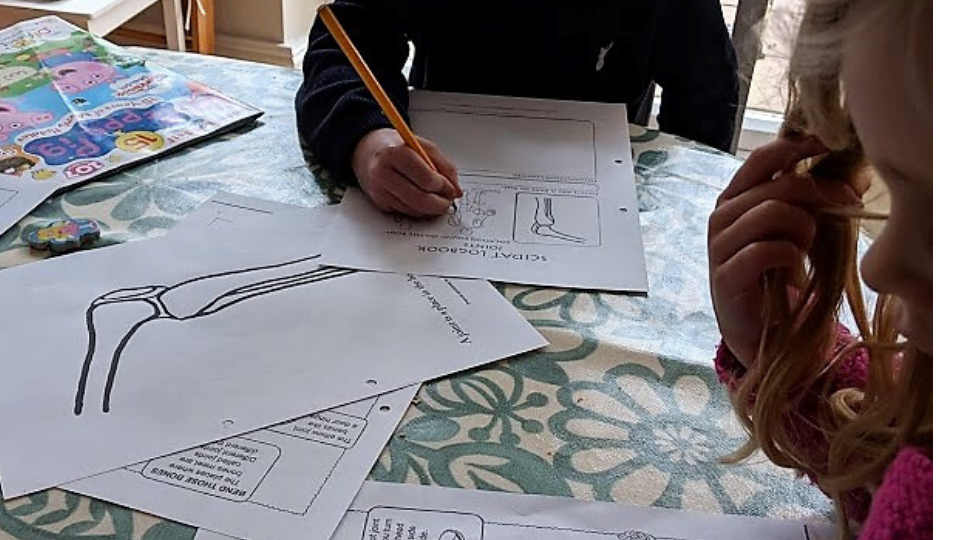
Despite best laid plans there usually something that throws me – for the current project E has declared that she’d like to learn about Spanish Queens! I’m not entirely sure why this is, but we will learn about them – most probably when we learn about Henry VIII and his links to Spain. It’s an area I am lacking knowledge in so I’ll be learning about Spanish royalty as Em is completing the project work on the current monarchy.
My biggest advice would be to have a rough idea of what you want to cover but be flexible about the order you do this in. There are things that I think might be better learnt in a certain order, but if it’s captured the children differently then we will run with that. I suspect Daniel’s castle projects will start with the Tudor castles and work backwards and forwards from there. Also I look for opportunities for days out to support the subject – I’ve got a couple of castles in mind that I’d like to get to with the children and I’ll be sure to link the Kings and Queens to the period of the castles’ construction too.
Do you plan in your home education? Do you find it helps you and your children?