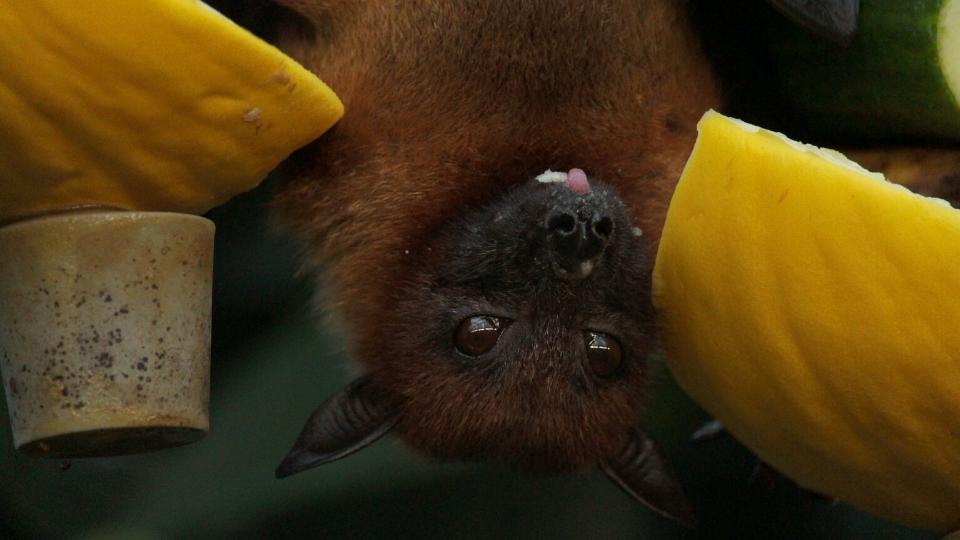
Last week we had our regular speaking and listening group, and the theme was Africa. H decided to take a look at the fruit bats in Kasanka National Park in Zambia and from there we did a bat project. It veered away from Africa a little, but the beauty of home education is that you can take the path the children need and want to follow at that given time.

Materials & Resources
For H’s project we started by taking a look at the Atlas of Animal Adventures which gave him the inspiration for the bats of Kasanka National Park. From there we watched some YouTube videos about bats then I used the fab Bat themed lapbook available at Twinkl. We looked at The Bat Book too by Charlotte Milner which was superb for giving us lots of information about bats.
- Atlas of Animal Adventures
- The Bat Book
- Twinkl Bat Lapbook
- We enjoyed the videos on bats from Maddie Moate

The Lesson
We started by reading the spread in Atlas of Animals Adventures about the bats in Kasanka. We looked where Zambia is on the map of Africa and we found some images online of the bats.
H and I then had a look through The Bat Book together and I picked out some key things for him (primarily how their wings are like hands in terms of the skeleton). We talked about how they are mammals, but the only ones that can fly. We talked about echolocation a bit and how that might work and we looked at the different sizes of bats. H particularly liked the idea of the bumblebee bat!
We then, over a couple of days, completed the elements of the Bat lapbook from twinkl. H didn’t do all of these but D and E joined in and did most of it inside. (we know there is a spelling error and this has been logged with Twinkl for correction).

For his project presentation, H told his friends that the bats migrated to Kasanka in Zambia. We had completed a flag and marked Kasanka on a map. He then shared some facts about bats as well as demonstrating how they like to sleep (I held him upside down and he folded his arms like wings across his body)
Other things to explore
There are lots of things to explore with Bats. You could draw scale models of the different sized bats or complete some bat-themed crafts using toilet roll tubes or paper plates. You could study in more depth the migration patterns of the bats (this would be good with older children, H is just 3).
It would also be interesting to look at echolocation in more detail and the other creatures that use this and also look at how bats are key to pollination.
Where we live we see bats in the evening so looking out for bats at dusk is good fun or even going on an organised bat walk if you’re fortunate enough to have them where you live. The Bat Conservation Trust has lots of great resources available so it’s well worth checking out their website.
Finally, the Mystery Science lesson on the bones in the hand is interesting to do with children as it shows a comparison with humans and bats and helps to demonstrate how similar they are.