ad
It’s easy to think that taking up a creative hobby means buying a pile of supplies, learning a new skill and somehow finding hours of spare time to practise it. That’s probably why so many good intentions end up staying as good intentions.
Paint by numbers is a little different. There’s enough guidance to get started straight away, but you still end up making something with your own hands. You don’t need to be particularly artistic, and you don’t need to know anything about mixing colours or sketching. You can simply sit down, choose a section and begin.
You don’t have to be good at painting
A blank canvas can be quite intimidating. Even if you like the idea of painting, deciding what to paint and where to begin is often the part that puts people off.
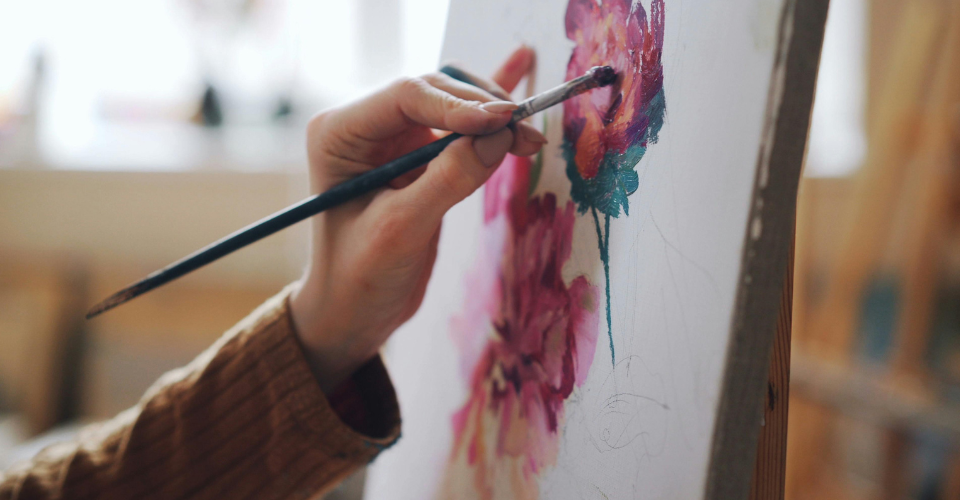
With paint by numbers, those decisions have already been made. The picture is divided into numbered areas and each number corresponds with a paint colour. You work through it section by section and the image slowly starts to appear.
That doesn’t mean there’s no skill involved. You still get used to controlling the brush, working around smaller areas and deciding which part of the canvas you want to tackle next. It simply takes away the pressure of creating the whole thing from scratch.
A slightly wobbly edge or a bit of paint in the wrong place is rarely a disaster either. Once more of the picture is filled in, those tiny imperfections tend to disappear.
You don’t need a cupboard full of supplies
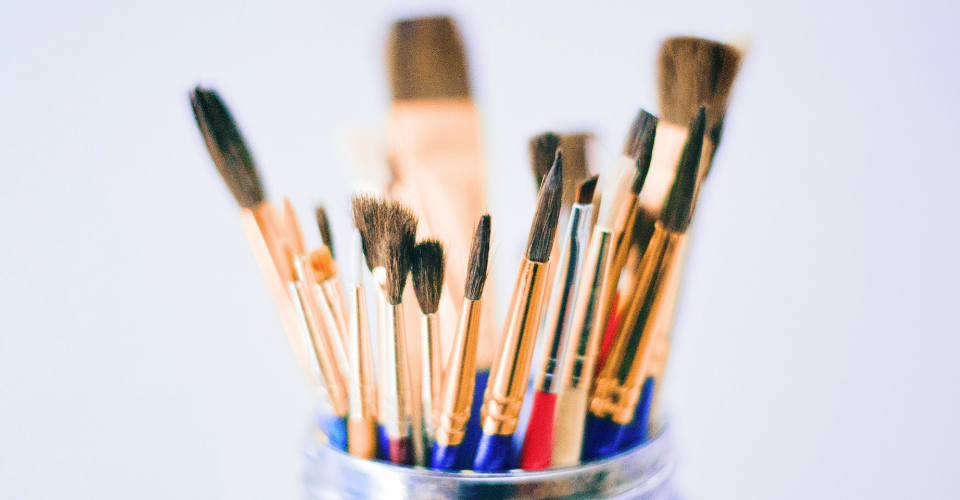
One of the nice things about this hobby is that there isn’t much preparation involved. Most paint by numbers kits come with a numbered canvas, acrylic paints and a small set of brushes, so you do not need to buy lots of separate art supplies before finding out whether you actually enjoy it.
Painting by Numbers Shop is one example of a specialist retailer offering complete kits in a wide range of designs, including options aimed at beginners.
Once everything is set out, the process is straightforward. Match the numbered paint to the corresponding areas on the canvas and gradually work your way through the design.
It’s worth spending a couple of minutes looking over the canvas before starting. Some people like to work through one colour at a time, while others prefer to finish one area of the picture before moving on. There’s no real right way to do it.
If you’re right-handed, starting towards the top-left can also make things a little easier, as it helps keep your hand away from areas you have just painted. Left-handed painters may find it more comfortable to work in the opposite direction.
It works well as an evening hobby
Not every hobby needs to be productive or useful. Sometimes it’s enough to have something that keeps your hands busy and your attention in one place for a while.
Paint by numbers works quite well for that because the next step is always obvious. There’s another small section to fill, another colour to use or another part of the image to finish.
You can put some music on, listen to a podcast or just enjoy a quieter half hour without automatically reaching for your phone.
It’s easy to stop and come back to later too. A painting can happily sit for a few days until you have time to pick it up again, which makes it much more realistic for busy households than a hobby that needs several uninterrupted hours.
Start with something you actually like
Your first design matters more than you might expect.
A huge, detailed picture can look impressive, but it probably isn’t the best place to start. Lots of tiny numbered areas mean more careful brushwork and generally more patience.
It’s also worth remembering that a smaller canvas isn’t automatically easier. A small design packed with lots of fine details can be more fiddly than a larger picture with broader areas of colour.
For a first project, look at the size of the smallest sections rather than only the overall size of the canvas. Designs with larger areas tend to be easier to work through when you’re still getting used to the brushes.
Most importantly, choose a picture you actually like. Flowers, landscapes and animals are all popular choices, but there’s little point picking the supposedly easiest design if you’re bored of looking at it after the first evening.
Seeing the picture appear is half the fun
At the beginning, a numbered canvas doesn’t always look particularly exciting. There are lines everywhere and it can be difficult to imagine how all those separate patches of colour will turn into the finished picture.
Once neighbouring sections begin to fill in, it starts to change surprisingly quickly. Shapes become clearer and parts of the image that looked fairly meaningless suddenly make sense.
That gradual change is probably one of the most satisfying parts of paint by numbers. You can step back after a session and immediately see that the picture has moved on.
There’s also a nice sense of progress without any need to rush. Ten minutes still gets something done. An hour gets a little more done. Eventually there’s a finished painting where there used to be a canvas full of numbers.
It can stay as simple as you want
If you end up enjoying paint by numbers, there are plenty of ways to take it further. You can try more detailed pictures, experiment with different subjects or even have a favourite photograph turned into a custom kit.
But none of that is necessary when you’re starting out.
The appeal is really in how simple the hobby can be. There’s enough structure to stop it feeling daunting, while still giving you the satisfaction of creating something with your own hands.
If you’ve been wanting to try something creative but don’t fancy starting with a completely blank page, paint by numbers is an easy place to begin. Take your time, make the odd mistake and enjoy watching the picture come together.


