Ad
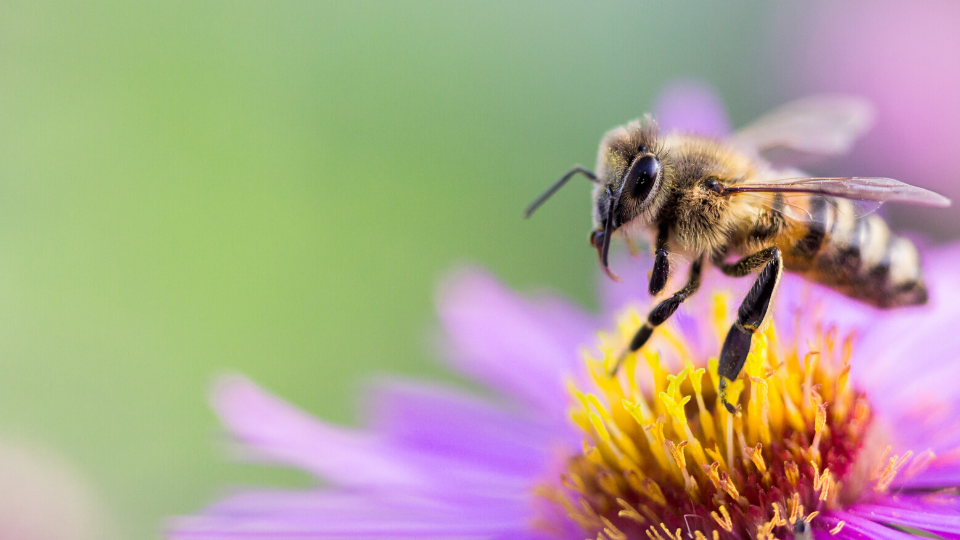
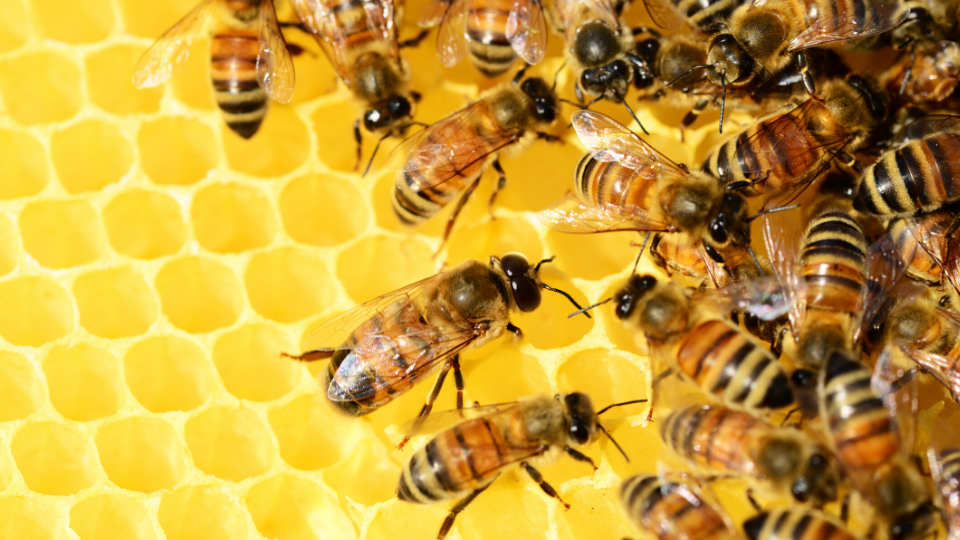
It was H’s birthday last month, and a lot of the things he was bought features bugs and the such. He is very interested in bugs and delights in watching insects crawl, counting spots on ladybirds and is endlessly fascinated with watching bees go in and out of the flowers. We have, over the last few years, spent time on trying to make the garden a bit more bee-friendly. There’s a lot of reasons why you should try to attract bees into your garden, and I thought I’d share some tips for making your garden a welcoming, bee-friendly space.
Learn about the different types of bees – there are so many different types of bees and it’s really interesting to try and spot the different ones visiting your garden. Buzz – The Nature and Necessity Of Bees’ is available at The Works and it’s a great book for understanding all about bees. There’s also plenty of gardening books too to help you make the most of your space.
Plant flowers – yep it sounds like an obvious one but get planting flowers! We all know that the bee population is in decline. Too many homes are seeing gardens removed in favour of parking spaces or artificial lawns. Planting flowers not only adds colour to your garden but attracts bees who are looking for the pollen. Over the years we have seen our own garden bloom and its lovely to see the flowers each year and the bees as they buzz in and out.

Don’t cut your grass too often Whilst it’s super tempting to keep any grass cut, it’s also making your garden a desert for the local bees. Embrace the longer grasses and see what might happen – you might be surprised at what starts to grow in the grass. If you can’t leave all the lawn to grow, why not leave a small space and embrace the wildlife and see what comes to visit?
Learn to love Dandelions Dandelions are FANTASTIC for bees, but we all too often see them as weeds and dig and pull them out. I’ve really started to embrace the simple beauty of the dandelion in recent years and let them grow on our lawn and in the pots. There’s something very simple but beautiful about the bright yellow dandelion and watching the cycle of a dandelion is fascinating for children, and a great lesson about seed dispersal.
Create a year-round garden The Wildlife Trust has some fantastic information on the sorts of plants that you can have in your garden all year round. By having a year-round garden you can keep attracting the bees and of course enjoy the changing seasons from the comfort of your own home. Our neighbour has a wonderful garden that changes all year round but always seems to have something in full bloom.
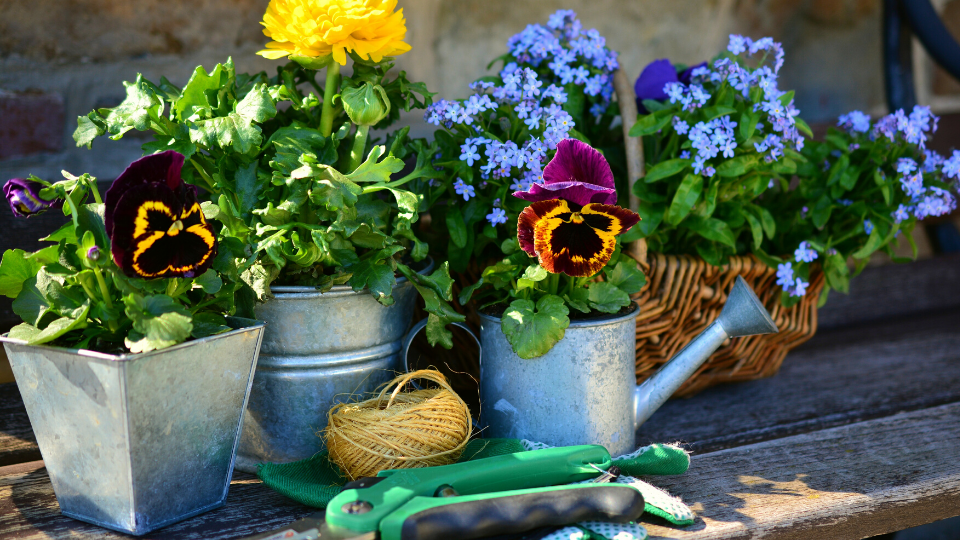
If you’re short on space then a few patio pots or window boxes can work a treat. Every little helps and as well as adding a splash of colour to your home you can be happy knowing that you’re helping the bee to thrive. Planting borage in these pots means that the bees still have a late flowering plant to access as the summer ends.
Build an insect hotel This is a great one to do with children and is super fun and easy. Defra has made this video to show you how to make a bee hotel and it’s great fun to do.
Re-think the pesticides Before you get spraying with a pesticide think about it – you might be inadvertently killing bees as plants will become contaminated which the bees will then pick up and die from.
Watch out for tired bees you might spot a bee that’s looking a bit tired – mix two teaspoons of white granulated sugar with one teaspoon of water and put it on a plate or drip it on a flower, to revive a tired bee. After you’re given some sugary water the bee will feel a bit revived and be able to get on with its work.