Ad
Communication is an important skill every child needs to succeed in life. Whether it’s speaking, listening, reading, or writing, communication plays a crucial role in daily interactions with others. Developing kids’ communication skills can help them build relationships, succeed in school, and achieve their future career goals.
Effective communication skills are essential for a child’s personal and social development. Children with strong communication skills can express their thoughts and emotions, resolve conflicts, and interact positively with others. Additionally, communication skills are vital for academic success, as children must be able to comprehend and communicate complex ideas to excel in their studies. By nurturing and developing communication skills, parents can help children build a strong foundation for success in all areas of life.
Toys and Activities for Developing Communication Skills in Children
There are a variety of toys and activities available to help develop communication skills in children, such as:
- Storytelling kits. These kits come with a set of colorful characters and props children can use to act out their favorite stories. This activity helps improve their language skills, imagination, and creative thinking.
- Vocabulary builders. These sets include flashcards, games, and activities that make learning new words exciting and engaging. With the help of vocabulary-building games, children develop language and social skills that contribute to their overall cognitive growth.
- Conversation starters. These sets include a variety of questions and prompts that encourage children to share their thoughts and ideas.
- Role-playing toys. These toys, such as play kitchens and doctor sets, allow children to practice their communication and social skills. Role-playing toys motivate kids to engage in imaginary play, which helps improve their language and problem-solving skills.
Effective Strategies for Developing Communication Skills in Children
Here are some strategies for developing communication skills in children:
- Engaging in conversation. Educate your child to express themselves and listen to what they have to say. It can help improve their vocabulary, sentence structure, and social skills.
- Reading. Reading helps improve vocabulary, comprehension, and critical thinking skills. It also provides an opportunity for parents to bond with their children and engage in meaningful conversations.
- Playing with language. Playing with language is a fun way to develop communication skills in children. Games that can aid in your child’s language development include word puzzles, rhyme schemes, and tongue twisters.
- Using visual aids. Visual aids, such as pictures, charts, and diagrams, can help improve your child’s comprehension and communication skills. Use these aids to illustrate concepts and ideas, making it easier for children to understand and communicate them.
- Active listening. It is an important component of effective communication. Guide your child to listen attentively when others are speaking and ask questions to clarify whether they understand everything properly. As a result, it will improve their listening and comprehension abilities, which are crucial for efficient communication.
Practical Tips for Developing Communication Skills in Children
Use positive reinforcement
Encourage and praise your child’s efforts to communicate effectively. It helps build their confidence and motivation to continue improving their communication skills.
Emphasize the importance of nonverbal communication
Nonverbal communication, such as facial expressions and body language, can convey important messages. To help them understand others better, teach your child how to decipher and apply nonverbal cues.
Play cooperative games
Cooperative games, such as board games or team-building activities, help develop communication and collaboration skills. These games also encourage children to work together and solve problems.
Use technology to enhance communication skills
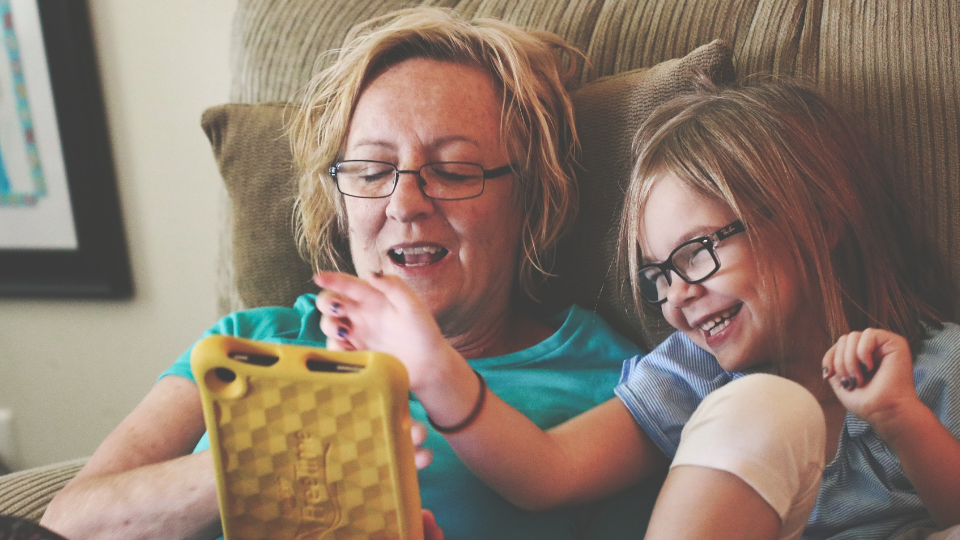
Technology can be a valuable tool for improving communication skills. Apps and programs that promote language learning, reading, and writing skills supplement traditional learning methods.

Practice in real-life situations
Encourage your child to practice their communication skills in real-life situations. For example, they can order food at a restaurant, ask for directions, or make a phone call. These experiences provide opportunities for children to practice and refine their communication skills in a meaningful way.
Teach Empathy
Empathy is a personal quality that means understanding and considering the feelings and emotions of others. Explain to your child that they should always listen to what others want to say with respect and tolerance. This will help children become good listeners and communicate thoughtfully.
Conclusion
It’s important to remember that communication skills develop over time and require ongoing practice and reinforcement. By using a variety of strategies and resources, parents can help their children develop strong communication skills that will serve them well in all aspects of life.
Moreover, when fostering communication skills in children, take into account their unique demands and learning preferences. Some children may require additional assistance or accommodations to properly develop their communication abilities. Parents and caregivers can work with educators and other specialists to develop specialized solutions that respond to each child’s unique needs, but you should still remember that everything, including the right communication, starts at home.


